
Buying from a private seller: can it be financed?
Often, yes. How finance works when you buy a car, ute or truck from a private seller, the checks to do first, and how to avoid the common scams.
 Jane BrookerFinance broker · Updated 6 October 2026 · 4 min read
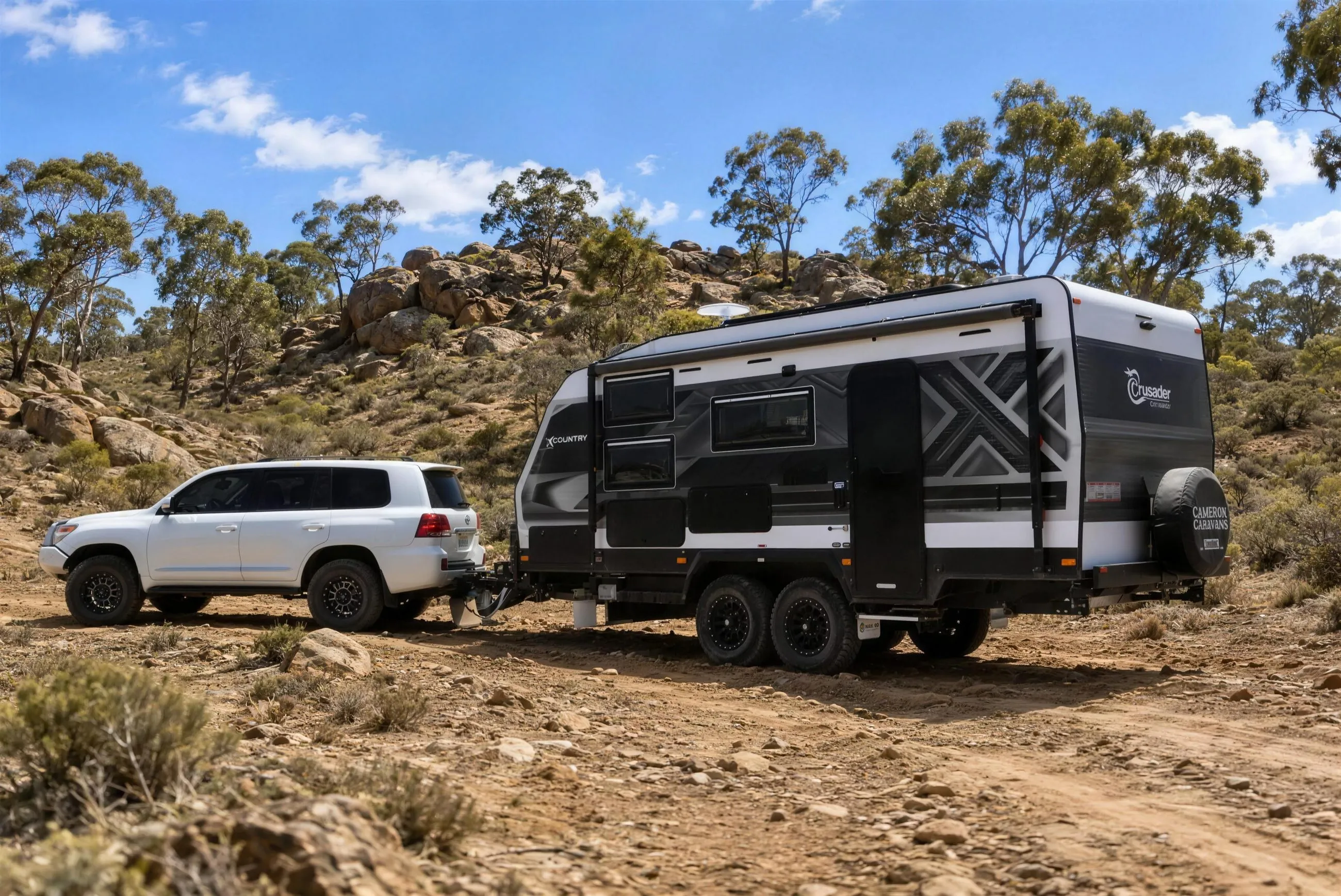
Yes, many lenders finance private sales. Once the checks are done, the lender usually pays the seller directly. The checks cover the seller’s ID and ownership, a PPSR search for money owing, and often an inspection. If the seller still owes money on it, the lender pays their lender out first. Don’t hand over money until all of that is done.
Some of the best buys are private sales: a tradie upgrading their ute, or a family selling the second car. Finance can still work. It just takes a few more steps than buying from a dealer.
How it works, step by step
- Find the vehicle. Get the VIN, the rego number and the seller’s details.
- Do your own checks (see the list below) before you agree to anything.
- Send me the details. Not every lender finances private sales, so I match you with one that does.
- The lender does its checks. Expect it to ask for proof the seller owns the vehicle, the seller’s ID and bank details, the rego papers, and often an inspection. Trucks and equipment often need a valuation.
- Settlement. The lender pays the seller directly. If money is owing on the vehicle, the lender pays the seller’s lender first and the rest goes to the seller.
- Transfer the rego. In Queensland, the transfer must be done within 14 days, and you’ll pay a transfer fee and registration duty.
- Insure it from the moment it’s yours.
The checks to do first
- PPSR search using the VIN, on the day you buy or the day before. It costs $2 online. It shows whether money is owing, and whether the vehicle has been recorded as written off or stolen.
- Rego check with Transport and Main Roads, by plate or VIN.
- Match the paperwork. The VIN, engine number and build date on the rego papers should match the vehicle.
- Sight the seller’s driver licence. The name should match the rego papers.
- Safety certificate. In Queensland, a private seller must give you one for a registered vehicle up to 4.5 tonnes GVM. From a private seller, it’s valid for 2 months or 2,000 km. Heavy vehicles need a certificate of inspection instead.
- Independent inspection by a mechanic you choose.
- Test drive.
- Service history.
The lender’s checks protect the lender. Your own checks protect you.
How the PPSR protects you
The Personal Property Securities Register shows whether a lender has a security interest over the vehicle. That usually means money is still owing on it.
If you search the correct VIN on the day you buy, or the day before, and the search is clear, you generally take the vehicle free of any debt, with a few exceptions. If you don’t search, you’re not protected, and the vehicle could be repossessed even after you’ve paid.
If the search shows money owing, don’t pay the seller. The debt has to be paid out as part of the sale, usually from the seller’s payout letter at settlement. You can search again before you pay to make sure it’s clear.
What you don’t get in a private sale
- No statutory warranty and no cooling-off period.
- Only basic consumer protections: that the seller owns it, that you can keep it, and that there are no hidden debts on it.
- Fewer options if it goes wrong. In Queensland, the tribunal (QCAT) can’t hear disputes about private sales.
That’s why the inspection matters so much.
Scams to watch for
- A seller who won’t meet in person, or won’t let you see the vehicle
- Requests for a deposit or a “transport fee” before you’ve seen it
- A price that seems too good to be true
- Pressure to pay quickly
- Bank details that don’t match the seller’s name
Never pay before you’ve seen the vehicle and the checks are done. Money sent by instant bank transfer is rarely recoverable. With finance, the lender pays the seller at settlement, so you’re not sending your own money to a stranger.
A note for business buyers
If the seller isn’t registered for GST, there’s no GST in the price and no GST credit to claim. If the seller is a GST-registered business selling its own vehicle, GST may apply. Speak to your accountant.
Ready to buy?
Send me the ad or the vehicle details before you pay anything. I’ll check which lenders will finance it and tell you exactly what they’ll need from you and the seller.
