
Can I finance specialist machinery?
How lenders look at specialist machines like CNC routers, lathes, presses and processing lines, what they ask for, and how imported equipment is handled.
 Jane BrookerFinance broker · Updated 6 October 2026 · 5 min read
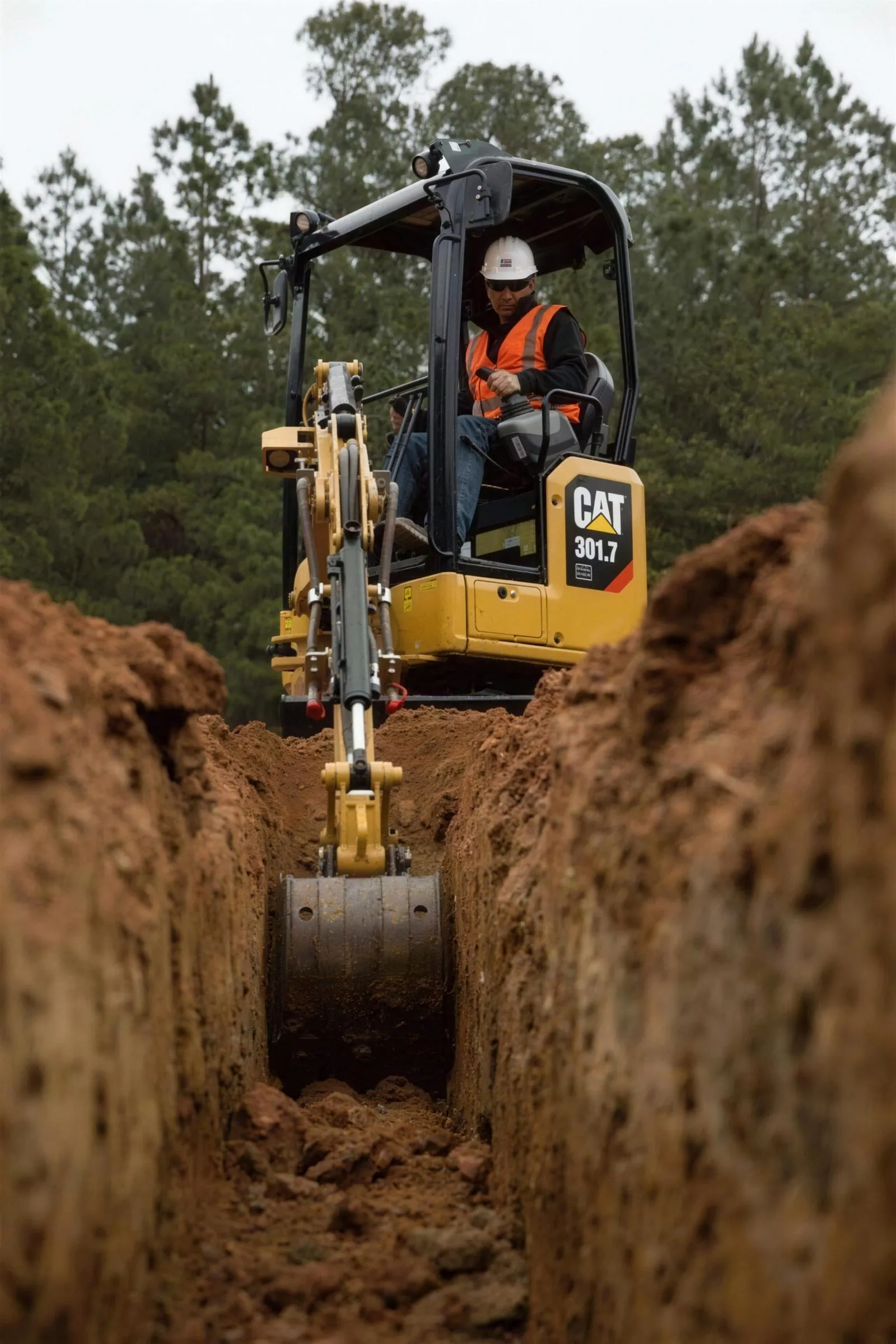
Often, yes. Lenders like equipment that is easy to value and resell, so specialist machines can take a little more work. But many lenders finance CNC machines, lathes, presses and processing lines every day. The key is matching the machine to a lender that understands it, and showing how it fits your business.
Most businesses grow one machine at a time. A fitter buys a second lathe and takes on more jobs. A cabinet maker adds a CNC router and stops outsourcing the cutting. A food business buys a new filling line and says yes to a bigger order.
These machines are often called specialist equipment. They can be expensive, and not every lender wants to finance them. That doesn’t mean the answer is no. It means the right lender matters more.
What makes a machine “specialist”?
To a lender, a machine is specialist when it is harder to value or resell. Some examples:
- CNC routers, mills and lathes
- Laser and plasma cutters, press brakes and other metalwork machines
- Printing presses and print finishing equipment
- Food processing, packaging and bottling lines
- Medical, dental and laboratory equipment
- Machines built or modified for one job, or bought from overseas
A ute or an excavator has a big second-hand market. If the borrower can’t pay, the lender knows it can sell the vehicle. A one-off processing line is harder to sell. That’s why lenders take a closer look.
What lenders look at
Every lender has its own rules, but most look at the same things.
The machine. What is it, who makes it, and is it new or used? How long will it last, and is there a second-hand market for it? Some lenders set limits on how old a machine can be by the end of the loan.
The seller. Is it an established dealer or manufacturer, an overseas supplier, an auction or a private sale? Dealer and manufacturer sales are usually the simplest. For specialised, used or privately sold machines, some lenders ask for an inspection or valuation, or charge extra fees.
Your business. How long you have been trading, your recent figures and your credit history. Experience in your industry counts too.
How the machine fits your business. A short note helps here. Explain what the machine does, why you need it and how it will be used. For example: new contracts it lets you take on, or work you no longer need to outsource.
The loan. The price, any deposit or trade-in, the term and any balloon payment.
Imported machines
Buying from overseas adds a few steps.
- Deposits before shipping. Many overseas suppliers want part of the price before they build or ship the machine. Some lenders can pay suppliers in stages during the build or import. Others only pay once the machine arrives and is installed. Find out before you sign the supplier’s contract, because a deposit can be lost if the deal falls through.
- Exchange rates. The price in Australian dollars can change between the order and the payment.
- Freight, duty, GST and installation. These costs add up. GST is usually payable when goods are imported, and the rules for claiming it back are worth checking with your accountant. Some lenders can include these costs in the loan. Others can’t.
- Paperwork. Expect to show the supplier’s pro forma invoice, the machine’s specifications and the shipping details.
Ways to structure it
Specialist machines can be financed in the same ways as other business equipment:
- Chattel mortgage. Your business owns the machine from day one, and the lender takes security over it. Read what a chattel mortgage is.
- Lease or rental. The lender owns the machine, and you pay to use it.
- Using equipment you already own. Some lenders can lend against machines your business already owns, to free up cash for the next one. This can have GST and tax effects, so speak to your accountant first.
When a lender takes security over a machine, it usually registers its interest on the Personal Property Securities Register (PPSR). This is the national register that shows who has an interest in personal property, like vehicles and equipment.
Buying a used machine privately? Search the PPSR first
If the seller still owes money on the machine, their lender may have an interest registered over it. If that isn’t cleared, the machine could be taken back even after you’ve paid for it.
A PPSR search costs $2 online. Many machines can’t be searched by serial number, so you search using the seller’s details instead: their name and date of birth if they’re a sole trader, or the company’s ACN. If the search shows a registration, don’t hand over money until it’s cleared. When I arrange the finance, the lender does its own checks too.
What to send me
To get started, these help most:
- The supplier’s quote or pro forma invoice, with the make, model and price
- The machine’s specifications, and photos if it’s used
- For used machines: the age, hours and service history, if you have them
- Your ABN and business details
- Your recent BAS, or your latest financial statements (I’ll tell you which)
- A short note on what the machine will do for your business
How I can help
I compare 40+ lenders, and some know particular industries well. For a specialist machine, I start with lenders that already understand that kind of equipment. That saves time, and it saves you from applying in the wrong place.
If you’re thinking about a machine to grow your business, call me before you sign with the supplier. We can work out the timing and the paperwork together.
