
The work ute buyer’s guide
A printable checklist for tradies and ABN holders buying a work ute in Queensland: payload and towing, new or used, dealer or private, running costs and finance.
 Jane BrookerFinance broker · Updated 6 October 2026 · 8 min read
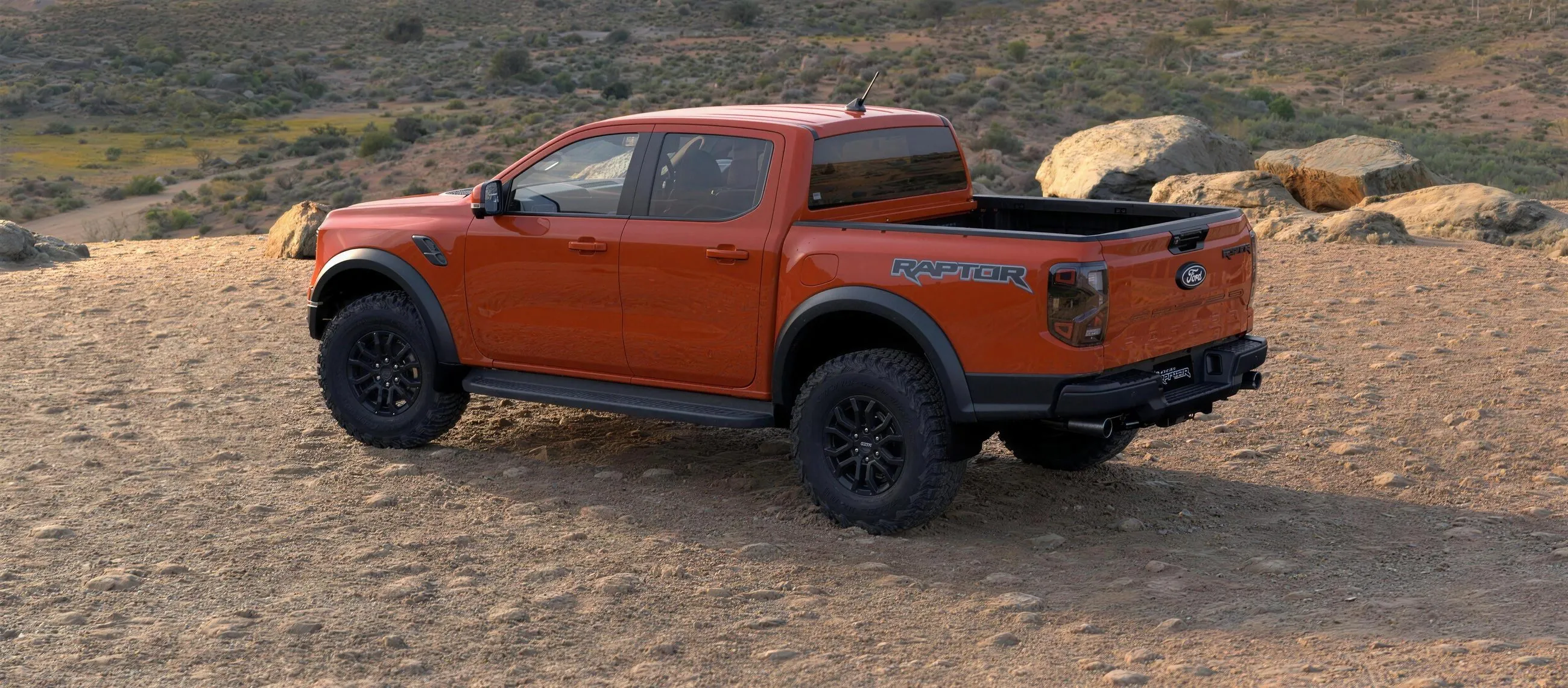
Work out what the ute has to carry and tow before you shop. Set a budget that includes the fit-out and on-road costs. Check any used ute on the PPSR, the national register that shows if money is owing on it. Then sort your finance before you negotiate, so you can bargain on the price, not the repayment. Tax rules for utes depend on the vehicle and how you use it, so speak to your accountant.
A work ute is a tool, not just a car. The right one makes every job easier. The wrong one costs you every day, in fuel, in fines for being overloaded, or in trips you shouldn’t have to make twice.
This guide is the checklist I’d want in my pocket at the yard. Print it, take it with you, and tick the boxes as you go.
1. What does the ute need to do?
Start with the job, not the brochure.
- What you carry every day, and roughly what it weighs: tools, materials, a water tank, a compressor or a generator
- What you tow, and its loaded weight: a box trailer, a plant trailer, a boat
- Who rides with you: single cab, extra cab or dual cab
- What goes on the back: a tub, an alloy or steel tray, a service body or a canopy
- Where it goes: sites, dirt roads, the beach or mostly highway. Do you need 4x4?
- The fit-out you’ll add: racks, drawers, toolboxes, a bull bar, a tow bar, lights or a winch
- Fuel: diesel, petrol, hybrid or electric. Think about your daily kilometres and where you’d charge.
2. Payload and towing, in plain English
These numbers decide whether a ute can legally do your job. They’re worth ten minutes.
| Term | What it means |
|---|---|
| GVM (gross vehicle mass) | The most the ute can weigh, fully loaded |
| Kerb weight | What the ute weighs empty, without people or a load |
| Payload | GVM minus kerb weight. Everything you add has to fit in it: people, tools, accessories and the trailer’s weight on the towball |
| Towing capacity | The heaviest loaded trailer the ute can tow, set by the manufacturer |
| Towball download | How much of the trailer’s weight presses down on the towball. It counts against your payload |
| GCM (gross combination mass) | The most the ute and the loaded trailer can weigh together |
Three things catch people out:
Accessories eat payload. A bull bar, tow bar, drawers and a canopy all come out of your payload before you’ve loaded a single tool. In one Queensland Government example, a bull bar, tow bar, drawer system and a family of four added up to almost 600 kg.
You often can’t max out everything at once. On many utes, the GCM is less than a full payload plus a full trailer. If you tow close to the maximum, you may need to carry less in the ute.
The figures aren’t always on a plate. Older utes have a compliance plate, often in the engine bay or a door pillar. Utes supplied new from July 2021 are recorded on a national register instead, and it may not list the GVM or GCM. Check the owner’s manual or the manufacturer’s specifications. For a real-world answer, load the ute the way you work and take it over a public weighbridge.
GVM upgrades
Some utes can have their GVM raised. In Queensland it’s a complex modification: it must be certified by an approved person, and Transport and Main Roads must be told within 14 days.
- A GVM upgrade doesn’t raise the GCM or the towing capacity.
- It can affect the manufacturer’s warranty. Ask before you commit.
- Upgrades done before the ute is first registered follow national rules. Upgrades after registration follow Queensland’s rules. The rules changed for some newer vehicles in late 2025, so check with an approved modifier.
Planning an upgrade or a big fit-out? Tell me early. Lenders treat modified vehicles differently.
3. Tax basics for utes
This is general information only. Tax depends on your business and how you use the ute, so speak to your accountant before you choose.
- The 1-tonne line. For tax, a “car” is designed to carry less than 1 tonne and fewer than 9 passengers. A ute designed to carry 1 tonne or more isn’t a “car”. The ATO uses the payload: GVM minus basic kerb weight. Only some utes are over the line.
- The car limit. Depreciation on a “car” is capped at the car limit, which is $69,883 for cars first used in 2026–27. Vehicles that aren’t “cars” aren’t capped this way.
- GST. A GST-registered business can generally claim the GST in the price, for the business-use share. For a “car”, the credit is capped at $6,353 in 2026–27. There’s no credit if you buy from a seller who isn’t registered for GST.
- FBT. If an employee uses the ute, fringe benefits tax may apply. Directors of your company can count as employees. Sole traders and partners don’t. Some utes are exempt when private use is limited, for example to driving between home and work and minor, occasional trips.
- Instant asset write-off. The $20,000 threshold is now permanent, but the whole cost has to be under $20,000. That rules out most work utes.
- Keep records. A logbook and your receipts make tax time much easier.
4. New or used?
| New | Used | |
|---|---|---|
| Price | Higher | Lower |
| Warranty | Full factory warranty | What’s left of it, if any |
| Fit-out | Built the way you want | Someone else’s choices |
| Value | Drops fastest in the first years | The early drop has already happened |
| Checks | Fewer | PPSR, inspection and history are a must |
| Finance | Widely available | Lenders may limit how old it can be at the end of the loan |
5. Dealer or private seller?
A dealer handles the paperwork, takes trade-ins and usually offers some warranty. In Queensland, licensed dealers must give a statutory warranty on many used cars, but not on “commercial vehicles”. A ute rated to carry more than 1 tonne can count as one. Ask the dealer what warranty applies, and get it in writing. The Australian Consumer Law guarantees still apply when you buy from a business.
A private seller is often cheaper, but there’s no statutory warranty and no cooling-off period, and there are more checks to do. Many lenders still finance private sales. Read buying from a private seller.
6. Checks before you buy a used ute
- PPSR search using the VIN, on the day of sale or the day before. It costs $2 online and shows whether money is owing, and whether the ute has been recorded as written off or stolen.
- Rego check with Transport and Main Roads, by plate or VIN.
- Match the numbers. The VIN, engine number and build date on the papers should match the ute.
- Sight the seller’s driver licence. The name should match the rego papers.
- Safety certificate. In Queensland, the seller must give you one when selling a registered ute up to 4.5 tonnes GVM. It isn’t a full mechanical inspection.
- Independent inspection by a mechanic you choose.
- Test drive, with a load if you can.
- Service history and logbook.
- Modifications. If it’s had a GVM upgrade, see the modification plate and the paperwork.
- Money owing? Get the seller’s payout letter, and make sure their lender is paid out at settlement.
7. Your real budget
The sticker price is only the start. Budget for:
- The fit-out: tray, canopy, drawers, racks, tow bar and bull bar
- Registration, which includes compulsory third party (CTP) insurance in Queensland
- Registration duty (stamp duty), charged when the ute is registered in your name
- Comprehensive insurance
- Running costs: fuel, tyres, servicing and tolls
Queensland registration duty, light vehicles (as at October 2026)
| Engine | Per $100 of value, up to $100,000 |
|---|---|
| Hybrid or electric | $2 |
| 1 to 4 cylinders | $3 |
| 5 to 6 cylinders | $3.50 |
| 7 or more cylinders | $4 |
Higher rates apply to the whole value when it’s over $100,000. For example, a $35,600 four-cylinder ute attracts $1,068 in duty. Check the Queensland Government’s duty page for the current rates.
Then decide how much to put down. A deposit or trade-in lowers the loan. A longer term lowers the repayment but adds interest. A balloon lowers the repayment too, but leaves a lump sum at the end. Read balloon payments explained, and try the numbers in my repayment calculator.
8. Sort your finance before you negotiate
- Know your numbers first. With finance lined up, you can negotiate on the price of the ute, not the size of the repayment.
- Compare any dealer finance offer. Look at the total cost, including all the fees, not just the repayment.
- Take your time with add-on insurance. Since October 2021, there’s a four-day wait before add-on insurance, like loan protection, can be sold to you with a vehicle. Moneysmart says these products are often poor value. Compare before you buy.
- Pick the right kind of loan. If the ute is mainly for your business, a business loan like a chattel mortgage usually fits. If it’s mainly for personal use, it has to be a consumer car loan.
- Get your paperwork ready. See what documents lenders ask for.
9. Before you sign
- Payload and towing checked against your real load, including the fit-out
- Finance approved in writing before you pay a deposit
- The invoice shows the price, GST, fit-out, registration and on-road costs, and the VIN
- Used: a clear PPSR search on the day of sale or the day before
- Used: safety certificate and an independent inspection
- Insurance starts the day you pick it up
- You’ve spoken to your accountant about GST, depreciation and FBT
Need a hand?
Call me before you go to the yard. We’ll work out a budget, line up the finance and talk through the paperwork. You deal with me from quote to settlement.
